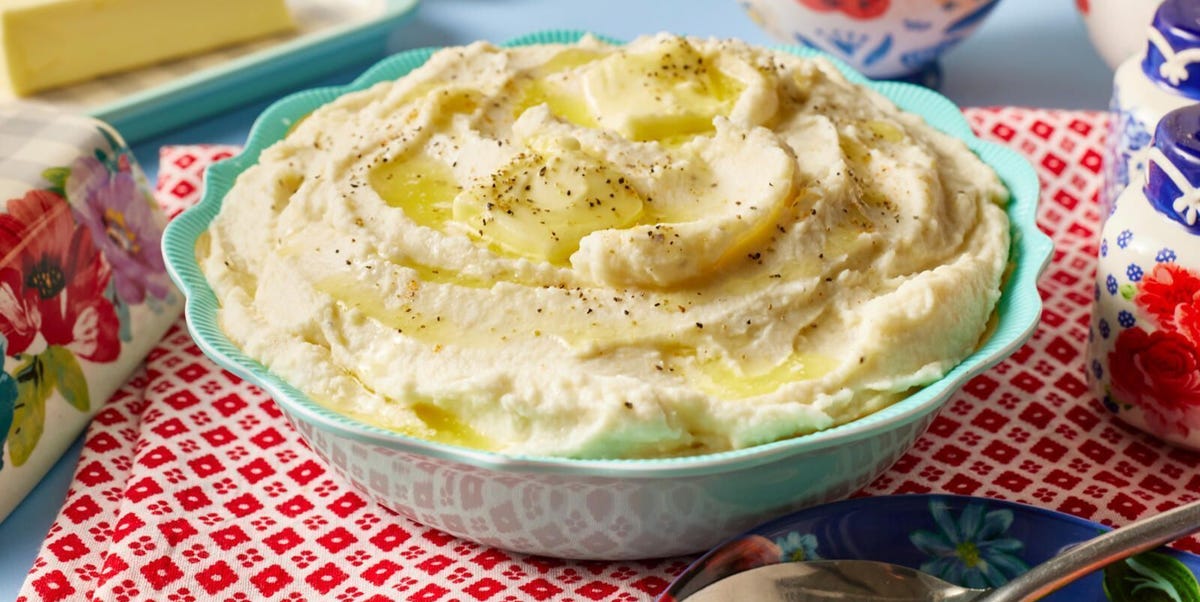
Expert Tips to Avoid Gummy Mashed Potatoes & Get Fluffy Spuds
Mashed potatoes: the ultimate comfort food, the star side dish, and often, the first to disappear from any dinner table. But while seemingly simple, achieving that perfect balance of light, fluffy texture and rich, buttery flavor can sometimes feel like a culinary quest. Many home cooks grapple with the dreaded gummy spuds, a texture disappointment that can ruin an otherwise perfect meal. If you've ever wondered how to make the best mashed potatoes, the kind that are unbelievably smooth, airy, and bursting with flavor, you've come to the right place. We're here to share expert tips and demystify the process, ensuring your mashed potatoes are always a resounding success.
From choosing the right potato to mastering the gentle art of mashing, every step plays a crucial role. Forget the days of heavy, sticky spuds; get ready to elevate your mashed potato game and impress everyone with truly remarkable results.
The Foundation: Choosing Your Perfect Potato for Fluffiness or Creaminess
The journey to the best mashed potatoes begins with the right primary ingredient: the potato itself. Different varieties possess distinct characteristics that profoundly impact the final texture of your mash. Understanding these differences is key to achieving your desired consistency, whether you're aiming for light and fluffy or decadently creamy.
- Russet Potatoes (The Fluffy Champion): Our top recommendation for truly fluffy mashed potatoes are Russets. These oblong, brown-skinned potatoes are renowned for their high starch content and dry, mealy texture. When cooked, their cells break down easily, creating a light and airy consistency that readily absorbs butter and milk without becoming dense or watery. If "fluffy" is your ultimate goal, reach for Russets every time.
- Yukon Gold Potatoes (The Creamy Contender): For those who prefer their mashed potatoes a bit richer and creamier, Yukon Golds are an excellent choice. These have a lower starch content and a naturally buttery flavor and waxy texture. While they won't achieve the same airiness as Russets, they yield a wonderfully smooth, dense, and luxurious mash that holds its shape beautifully and feels decadent on the palate. Many chefs also favor waxy potatoes like fingerlings or Yukon Golds for their ability to retain structure and creaminess when mashed.
Ultimately, the "best" potato depends on your personal preference. For a deeper dive into potato varieties and their suitability for mashing, consult our guide on Potato Perfection: Choosing the Best Spuds & Mashing Methods.
Mastering the Boil: Preventing Gumminess from the Start
The cooking process is perhaps the most critical stage for preventing gummy mashed potatoes. Precision here ensures the potatoes are perfectly tender and ready to be transformed into a fluffy masterpiece.
Proper Cooking: The Goldilocks Zone
The key is to cook your potatoes until they are "just right" – neither undercooked nor overcooked. Cut your potatoes into roughly equal-sized pieces (about 1-2 inches) to ensure even cooking. Place them in a pot, cover with cold water, and season generously with salt before bringing to a boil. Salting the water early infuses flavor into the potatoes from the inside out, rather than just coating the surface later.
- Don't Undercook: If potatoes are undercooked, they will resist mashing, leading to unpleasant, hard clumps in your final dish.
- Avoid Overcooking: This is the most common culprit for gummy mashed potatoes. Overcooked potatoes absorb too much water and become waterlogged. When mashed, their starch cells rupture excessively, releasing sticky starch that forms a glue-like consistency. Test for doneness by sliding a paring knife into a potato piece; it should slide in and out with very little resistance, but the potato should still hold its shape.
Dry Out Your Spuds for Superior Flavor and Texture
Once your potatoes are perfectly tender, drain them thoroughly in a colander. This next step is often overlooked but dramatically impacts the final texture: drying them out. Return the drained potatoes to the still-hot pot over low heat for about a minute or two. Gently shake the pot or stir the potatoes. You'll notice steam rising, and a slight film might begin to form on the bottom of the pan. This process allows excess moisture to evaporate, preventing watery mash and concentrating the potato's flavor. It also ensures that the butter and milk you add later can be fully absorbed, enriching the potatoes rather than diluting them.
The Art of Mashing: Tools & Techniques for Fluffiness
With perfectly cooked and dried potatoes, the mashing process is where you truly sculpt their texture. This is another critical juncture where gumminess can creep in, so approach it with care.
Choose Your Weapon (Wisely)
The tool you use significantly influences the texture of your mashed potatoes:
- Potato Ricer: For the ultimate in light, airy, and lump-free mashed potatoes, a potato ricer is your best friend. It pushes the cooked potatoes through small holes, separating the starch cells without tearing them excessively. This yields a finely textured, consistent mash that is exceptionally fluffy. If you're serious about your mashed potatoes, investing in a ricer is highly recommended.
- Food Mill: Similar to a ricer, a food mill also produces a fine, fluffy texture by forcing potatoes through a perforated disc.
- Traditional Potato Masher: A good old-fashioned potato masher works well for a slightly coarser, rustic texture. It's simple, effective, and allows you to mash directly in the pot. The key is to be gentle and stop when desired consistency is reached.
- Electric Mixer (Use with Caution): While convenient, an electric stand mixer or handheld mixer can easily lead to gummy potatoes if not used correctly. The high-speed rotation and aggressive paddle action can overwork the potato starch, turning it sticky. If using a mixer, use the paddle attachment on the lowest speed and mix only until just combined. Overmixing is the enemy of fluffy mashed potatoes.
The Golden Rule: Don't Overmix!
Regardless of the tool you choose, the cardinal rule of mashing potatoes is simple: do not overmix them. As you mash, you're breaking down potato cells and releasing starch. Excessive mashing or vigorous beating develops the starch into a glue-like substance (think of the gluten development in bread). This is the primary reason for tough, pasty, and gummy mashed potatoes. Mash only until the potatoes reach your desired consistency, then stop.
The Finishing Touch: Enriching and Seasoning for Flavor
Once mashed, it's time to infuse your spuds with rich flavor and a luxurious finish. This stage is about enhancement, not correction.
Add Hot Liquids
Always warm your dairy before adding it to your hot potatoes. Whether it's milk, cream, or half-and-half, gently heat it with your butter in a saucepan until the butter is melted and the liquid is steaming but not boiling. Adding cold liquids to hot potatoes can cool them down too quickly, making them tougher and harder for the potatoes to absorb the fats, resulting in a less smooth texture. The warm liquids blend seamlessly, creating a super smooth and luscious mash.
- Butter: Use the best quality butter you can find. It makes a noticeable difference in flavor.
- Milk/Cream: For lighter mashed potatoes, use milk. For extra richness and creaminess, opt for heavy cream or a combination.
Slowly incorporate the warmed liquid into the mashed potatoes, stirring gently until fully absorbed and the desired consistency is reached. Remember, less is often more – you can always add a little more liquid if needed, but you can't take it out.
Season Well and Taste As You Go
Beyond the salt in the cooking water, proper seasoning at the end is crucial for unlocking the full potential of your mashed potatoes. Seasoning is a personal journey, so taste frequently!
- Salt: A generous amount of good quality salt (like Kosher salt or sea salt) is essential. Start with a pinch, mix, taste, and adjust.
- Black Pepper: Freshly ground black pepper adds a lovely subtle heat and aromatic depth.
- Nutmeg: A tiny pinch of freshly grated nutmeg can elevate the flavor profile, adding a warm, almost sweet complexity that complements the potato beautifully. Don't overdo it, as a little goes a long way.
- Optional Add-ins: Consider chives, roasted garlic, sour cream, or cream cheese for extra layers of flavor and richness.
For more detailed instructions and alternative methods for achieving mashed potato perfection, check out Master Mashed Potatoes: Your Guide to Fluffy, Buttery Perfection.
Conclusion: The Path to Perfect Mashed Potatoes
Making the best mashed potatoes, those that are perfectly fluffy, rich, and never gummy, is an achievable goal for any home cook. By following these expert tips – from carefully selecting the right potato and precisely cooking it, to gently mashing and thoughtfully seasoning – you'll transform a simple side dish into an unforgettable culinary experience. Embrace the process, trust in these techniques, and get ready to enjoy mashed potatoes so good, you might just be lucky enough to have leftovers!
