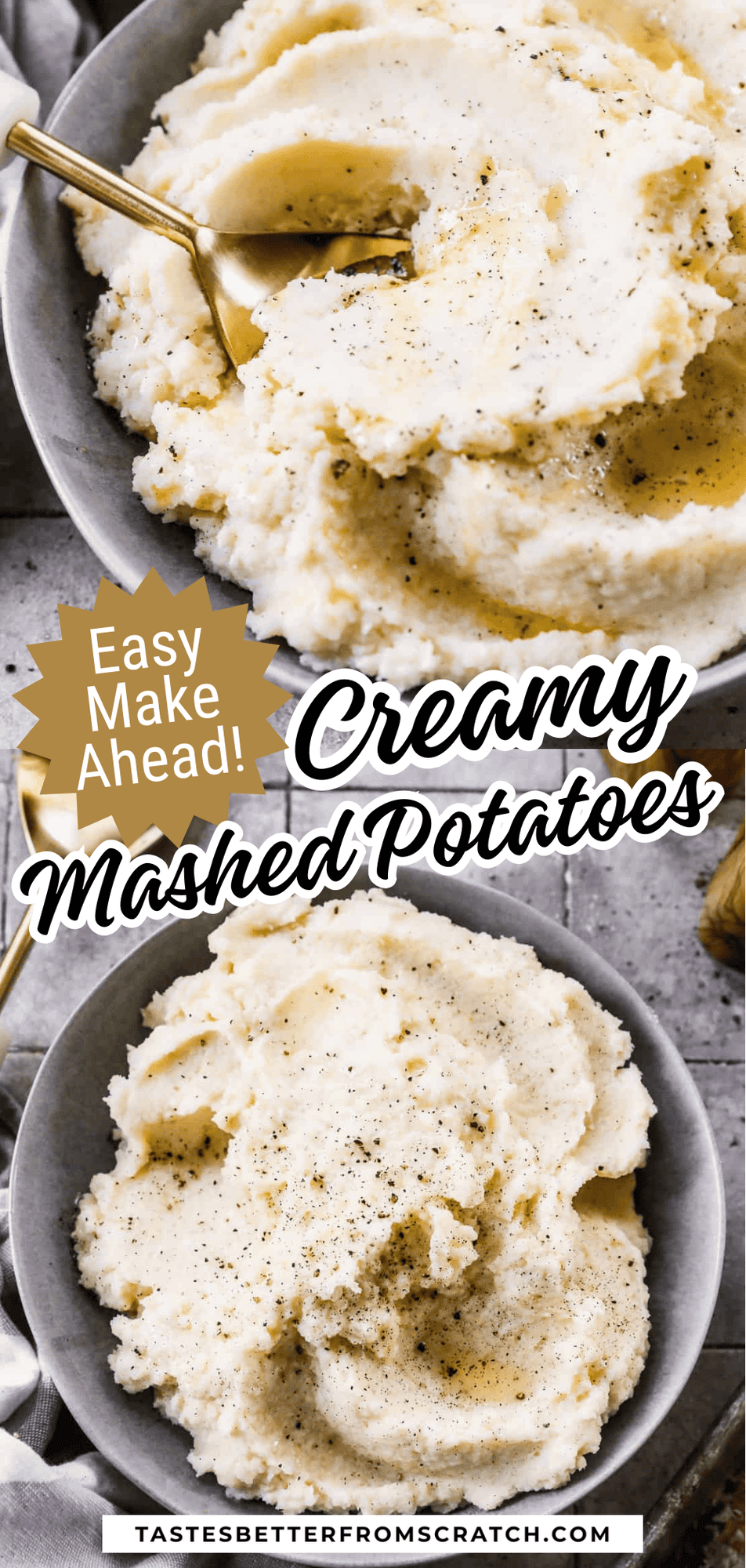
Master Mashed Potatoes: Your Guide to Fluffy, Buttery Perfection
Mashed potatoes are more than just a side dish; they are a timeless comfort food, a culinary hug that graces tables from humble weeknight dinners to elaborate holiday feasts. There's a reason they're often the first dish to disappear! While seemingly simple, transforming humble spuds into a mountain of fluffy, buttery perfection requires a few tried-and-true techniques. If you've ever wondered
how to make the best mashed potatoes, you're in the right place. This comprehensive guide will equip you with all the knowledge, tips, and tricks to achieve consistently superb results that will have everyone asking for your secret.
The Foundation: Choosing the Right Potatoes for Perfect Mash
The journey to exceptional mashed potatoes begins with selecting the ideal spuds. Different potato varieties offer distinct textures, largely due to their starch content. Understanding this is key to achieving your desired consistency.
Starch Content: The Key to Texture
Potatoes fall broadly into two categories: starchy and waxy.
*
Starchy potatoes, like Russets, break down easily when cooked, releasing their starch. This results in a light, fluffy, and somewhat drier mash that readily absorbs butter and cream.
*
Waxy potatoes, such as Fingerlings or new potatoes, hold their shape better due to lower starch content and higher moisture. They create a denser, creamier, and richer mash.
Our Top Picks: Russets vs. Yukon Golds
For truly fluffy mashed potatoes,
Russet potatoes are our first choice. Their high starch content makes them ideal for that classic, airy texture. They absorb added fats and liquids beautifully, making them a dream for a light, cloud-like mash.
If your preference leans towards an extra rich and creamy mash,
Yukon Gold potatoes are an excellent alternative. While less starchy than Russets, their naturally buttery flavor and slightly waxy texture contribute to a velvety, decadent consistency. Some chefs even swear by a blend of Russets and Yukon Golds to get the best of both worlds. For an even deeper dive into potato varieties and their suitability for mashing, explore our guide on
Potato Perfection: Choosing the Best Spuds & Mashing Methods.
Expert Tip: Always cut your potatoes into roughly equal-sized pieces before boiling. This ensures they cook evenly, preventing some pieces from being undercooked and clumpy while others turn mushy.
Mastering the Boil: From Raw Spud to Silky Smoothness
Proper cooking is paramount. It’s not just about boiling; it’s about preparing the potatoes to receive the luxurious additions that make them truly special.
The Salted Water Secret
Don't underestimate the power of seasoning your cooking water. Add a generous amount of salt – think "like the ocean," as many chefs advise. Salting the water seasons the potatoes from the inside out, enhancing their natural flavor. Skipping this step means you'll be playing catch-up with seasoning later, and it simply won't be as deeply integrated.
Avoiding the Pitfalls: Overcooked vs. Undercooked
The perfect potato is cooked through, but not beyond.
*
Properly cooked potatoes should be tender enough that a paring knife slides in and out with little to no resistance, but still hold their shape without crumbling apart.
*
Undercooked potatoes will result in unpleasant, hard clumps in your mash.
*
Overcooked potatoes absorb too much water and can become waterlogged. This makes them prone to a gluey, gummy texture once mashed, as their cell walls completely break down and release excessive starch. This is one of the most common culprits of mashed potato mishaps. For more on this, check out our
Expert Tips to Avoid Gummy Mashed Potatoes & Get Fluffy Spuds.
The Crucial Drying Step
Once your potatoes are perfectly tender, drain them thoroughly. Then, here's a crucial step often overlooked: return the drained potatoes to the hot, empty pot over low heat for another minute or two. Gently shake or stir them. This helps residual moisture evaporate, leaving a slight film on the bottom of the pan. This "drying out" step is vital because:
1. It concentrates the potato flavor.
2. It prevents watery mashed potatoes.
3. It allows the butter and milk to be fully absorbed and emulsified, resulting in a richer, more flavorful mash without the risk of gumminess.
The Art of Enrichment: Butter, Cream, and Flavor Infusion
Once your potatoes are perfectly cooked and dried, it's time to introduce the elements that make them truly indulgent.
Warming Your Liquids: A Game-Changer
This is a non-negotiable step for achieving super-smooth mashed potatoes. Always warm your milk, cream, and butter (or a combination) before adding them to the hot potatoes. When liquids are warmed, they are at a similar temperature to the potatoes, allowing them to mix in seamlessly. Adding cold liquids can shock the hot starch molecules, causing them to seize up and resulting in a lumpy, less creamy texture. Gently heat your butter and milk together in a saucepan until the butter is melted and the mixture is warm, not boiling.
Choosing Your Fats: Beyond Just Butter
*
Butter: Use the best quality butter you can find. European-style butters with higher fat content offer a richer, more nuanced flavor. Opt for unsalted butter to control the seasoning precisely.
*
Milk/Cream: Whole milk provides a good balance of richness without being overly heavy. For ultimate indulgence, heavy cream or half-and-half will create a decadently smooth and rich mash. You can even experiment with buttermilk for a slight tang that beautifully complements the richness.
Infusing Flavor: Elevating the Basics
Before adding your warm liquids to the potatoes, consider infusing them with aromatics. Gently heat your milk and butter with:
*
Crushed garlic cloves: Adds a subtle, sweet garlic flavor without the sharpness.
*
Bay leaves: Imparts an earthy, herbal note.
*
Fresh thyme or rosemary sprigs: For a fragrant, sophisticated touch.
Strain the aromatics out before adding the liquid to the potatoes.
Mashing Methods: Tools for Your Desired Texture
The tool you choose for mashing will significantly impact the final texture of your potatoes.
The Potato Ricer: For the Smoothest Results
Favored by many professional chefs, a potato ricer pushes cooked potatoes through small holes, creating incredibly light, airy, and uniform strands. This method minimizes starch activation, virtually guaranteeing a lump-free and exquisitely fluffy texture. It's the go-to for the silkiest mashed potatoes.
The Electric Mixer: Speed and Efficiency
If you’re preparing a large batch or simply prefer a hands-off approach, an electric mixer (stand mixer with paddle attachment or a handheld mixer) can be very efficient. Add the potatoes and slowly drizzle in the warm liquids and butter. The key here is to use a low speed and mix *just* until combined.
The Humble Potato Masher: Rustic Charm
For a more rustic, slightly chunkier texture, a good old-fashioned potato masher is perfect. You can mash the potatoes directly in the pot they were cooked in, which saves on cleanup. This method provides more control over the final consistency, allowing you to leave a few pleasing small lumps if desired.
The Golden Rule: Don't Overmix!
Regardless of your chosen tool, this is perhaps the most critical rule:
do not overmix your mashed potatoes! Overmixing, especially with an electric mixer at high speeds, will break down too many potato starch cells. This releases excess starch, which then develops gluten-like bonds, resulting in a dreaded gummy, sticky, and unpleasant texture. Mix only until your desired consistency is reached. As soon as the liquids are incorporated and the potatoes are mashed, stop.
The Final Flourish: Seasoning and Serving
You've done the hard work; now it's time to perfect the flavor profile.
Taste, Adjust, Repeat
Seasoning should be done in layers and adjusted to taste. Start with a generous pinch of fine sea salt and freshly ground black pepper. Add, mix, and taste. Repeat until the flavor truly sings. Don't forget that a pinch of nutmeg, as suggested by some traditional recipes, can elevate the potato's inherent flavor, adding a subtle warmth without being overpowering.
Beyond Basic Seasoning: Upgrades and Variations
Once you've mastered the basics, feel free to experiment:
*
Fresh Herbs: Finely chopped chives, parsley, or dill.
*
Roasted Garlic: Squeeze soft roasted garlic cloves into the mash for a sweet, mellow garlic flavor.
*
Cheese: Stir in grated Parmesan, sharp cheddar, or even a creamy goat cheese.
*
Truffle Oil: A drizzle of good quality truffle oil for an earthy, luxurious aroma.
*
Bacon Bits: Crispy bacon pieces add a smoky, savory crunch.
*
Sour Cream/Cream Cheese: For an extra layer of tangy creaminess.
Make-Ahead and Reheating Tips
Mashed potatoes are best enjoyed fresh, but they can be made a few hours ahead. Store them in an airtight container in the refrigerator. To reheat, gently warm them in a saucepan over low heat, stirring frequently. Add a splash of warm milk or cream to restore their creamy consistency and loosen them up. Alternatively, you can reheat them slowly in a microwave, stirring every minute or so, again adding a little extra liquid if needed.
Conclusion
Creating truly exceptional mashed potatoes isn't about following a rigid recipe to the letter; it's about understanding the fundamental principles. From selecting the right potato and cooking it perfectly, to carefully incorporating warm, flavorful liquids and mashing just enough, each step plays a crucial role. With these insights and techniques, you're not just making a side dish; you're crafting an experience – a warm, fluffy, buttery masterpiece that embodies comfort and culinary skill. So go forth, embrace your inner potato whisperer, and prepare to delight your taste buds and those of your loved ones with the best mashed potatoes they've ever tasted.