Potato Perfection: Choosing Your Spud Stars and Mastering Mashing Methods
Few dishes evoke comfort and joy quite like a generous serving of mashed potatoes. Whether gracing a holiday spread or a simple weeknight dinner, they’re often the first to disappear. But achieving that ethereal balance of fluffy, creamy, and utterly delicious can feel like a culinary quest. If you’ve ever wondered how to make the best mashed potatoes, you're in the right place. This comprehensive guide will walk you through everything from selecting the ideal potato variety to employing the perfect mashing technique, ensuring your spuds are always a showstopper.
Homemade mashed potatoes are surprisingly simple when armed with the right knowledge. We'll demystify the process, sharing expert tips and tricks that guarantee the fluffiest, most buttery results you've ever tasted. Get ready to transform your potato game from good to absolutely legendary!
Choosing Your Spud Stars: The Best Potatoes for Mashing
The journey to perfect mashed potatoes begins with the right potato. Not all spuds are created equal, and their starch content plays a crucial role in the final texture of your mash.
- Russet Potatoes: The Fluff Factor
Our top recommendation for those seeking truly fluffy mashed potatoes is the mighty Russet. These oblong, brown-skinned potatoes boast a high starch content and low moisture. When cooked, their cells break down easily, resulting in a light, airy texture that readily absorbs butter and cream, delivering that classic, melt-in-your-mouth fluffiness. If you dream of light-as-a-cloud mashed potatoes, Russets are your go-to. - Yukon Gold Potatoes: Creamy and Rich
For mashed potatoes that lean towards the extra rich and creamy side, Yukon Golds are an excellent choice. These round, yellow-fleshed potatoes have a medium starch content and a naturally buttery flavor. While they won't be as light and airy as Russets, their texture is wonderfully smooth and velvety, making them ideal for a more decadent mash that holds its shape beautifully. Their inherent sweetness also adds another layer of flavor. - Waxy Potatoes (Fingerlings, New Potatoes, Red Bliss): For a Denser, More Rustic Mash
While Russets and Yukon Golds are typically favored, some chefs advocate for waxier varieties like Fingerlings or certain Red Bliss potatoes for an incredibly creamy, almost cohesive mash. These potatoes have lower starch and higher moisture, taking longer to break down. They retain more of their cell structure, resulting in a denser, sometimes slightly stickier, but incredibly rich and flavorful product. If you prefer a mash with more "body" and a less airy feel, experimenting with these can be rewarding.
Understanding the starch content helps you predict the outcome: high starch for fluffy, medium starch for creamy, and low starch for a denser, waxier mash. Choose based on your desired texture!
The Golden Rules: 5 Essential Tips for Fluffy, Flavorful Mashed Potatoes
Once you've selected your spuds, these foundational tips are your roadmap to achieving truly remarkable mashed potatoes every time. Remember, the goal is to enhance the potato's natural flavor and texture without creating a gummy, watery, or lumpy mess.
- Cook the Potatoes Properly (and Precisely!)
This step is more critical than you might think. Potatoes are done when they are fork-tender – meaning you can slide a paring knife in and out with very little resistance. Overcooking breaks down the cells too much, making them waterlogged and prone to becoming gummy when mashed. Undercooking, conversely, leaves you with unpleasant, hard clumps. Aim for that sweet spot of tender perfection. Remember to start your potatoes in cold, salted water and bring them to a boil, ensuring even cooking. - Dry Out Your Cooked Potatoes Thoroughly
After draining your boiled potatoes, don't just stop there. Return them to the hot, empty pot over low heat for another minute or two, gently shaking the pan. This crucial step allows excess moisture to evaporate, leaving behind a faint film on the bottom of the pan. This not only prevents watery mashed potatoes but also concentrates the potato flavor, creating a perfect canvas for the richness of butter and milk to truly shine. Less moisture means more room for delicious dairy! - Add Hot Liquid to the Potatoes
This might seem like a minor detail, but it makes a world of difference. Always warm your milk, cream, and butter (and any other liquid additions like broth) before incorporating them into the hot, dry potatoes. When liquids are at a similar temperature, they blend seamlessly and more efficiently, resulting in a far smoother, more homogenous mash. Cold liquids can cause the starches to seize up, leading to a gluey or lumpy texture. - Don't Overmix! The Gumminess Trap
This is perhaps the most common pitfall when making mashed potatoes. Potatoes, particularly starchy ones, release more starch when their cell walls are ruptured. Overmixing develops this starch into a gluey, unpleasant consistency. Mix only until the potatoes reach your desired texture – whether rustic with a few small lumps or super smooth. Stop as soon as the ingredients are just combined. If you've struggled with this issue, our detailed guide, Expert Tips to Avoid Gummy Mashed Potatoes & Get Fluffy Spuds, offers even more preventative wisdom. - Season Well and Season in Layers
Flavor is paramount! This starts with generously salting the water used to cook the potatoes – it seasons them from the inside out. Beyond that, don't be shy with your seasonings. Add a good amount of salt and freshly ground black pepper, tasting as you go. A touch of freshly grated nutmeg can elevate the flavor beautifully, adding a subtle warmth that complements the creamy richness. Consider using high-quality butter; it truly makes a difference in the overall taste.
Mashing Masterclass: Exploring Different Methods for Your Desired Texture
The tool you choose for mashing can significantly influence the final texture of your potatoes. Each method offers a unique outcome, catering to different preferences.
- The Potato Ricer or Food Mill: For the Finest Texture
If you desire the absolute finest, lump-free, and most ethereal mashed potatoes, a potato ricer or food mill is your secret weapon. These specialized tools press the cooked potatoes through small holes, separating the starch cells without tearing them excessively. This results in an incredibly light, airy, and uniform texture, often preferred by professional chefs. It's a low-effort way to achieve a high-end restaurant quality mash. - The Electric Mixer (Stand or Handheld): Smooth and Convenient
An electric mixer, whether a stand mixer fitted with the paddle attachment or a handheld model, offers a convenient way to achieve very smooth mashed potatoes. The key here, as with all methods, is restraint. Transfer your dried potatoes to the mixer bowl, slowly add your warmed liquids and butter, and mix on low speed only until combined and smooth. Overmixing will quickly lead to gumminess, so watch it carefully! This method can create a wonderful consistency but requires a keen eye. - The Traditional Potato Masher: Rustic Charm and Ease
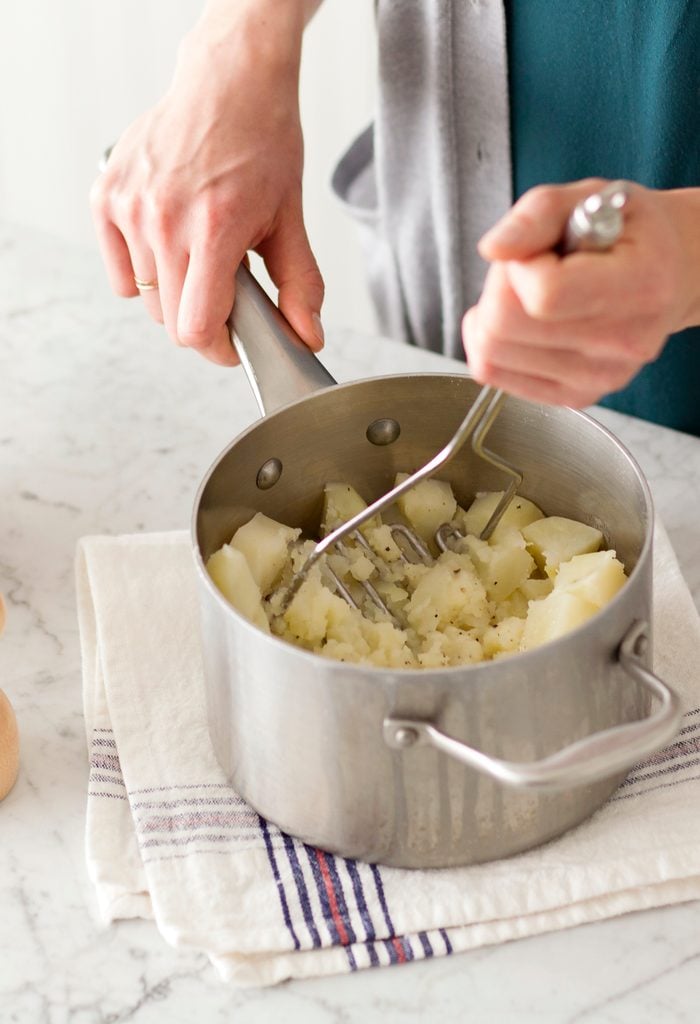
For a more rustic, slightly textured mash with character, a good old-fashioned potato masher is perfect. This simplest technique allows you to mash the potatoes directly in the pot you cooked them in, reducing cleanup. It's excellent for achieving a mash with a few delightful lumps, indicating its homemade authenticity. Mash by hand until your desired consistency is reached, incorporating the warm liquids gradually. It gives you the most control over the texture, allowing you to stop precisely when you like it.
Elevating Your Mashed Potatoes: Beyond the Basics
Once you've mastered the fundamentals, the possibilities for upgrading your mashed potatoes are endless. Consider infusing them with roasted garlic, fresh herbs like chives or thyme, or a swirl of brown butter for a nutty depth. A dollop of crème fraîche or sour cream can add a delightful tang, while a sprinkle of grated Parmesan or sharp cheddar cheese brings savory richness. For more advanced techniques and creative variations, dive into Master Mashed Potatoes: Your Guide to Fluffy, Buttery Perfection. If you're planning ahead, mashed potatoes can be made a day or two in advance and gently reheated on the stovetop over low heat with a splash of milk or cream, stirring frequently to restore their creamy texture.
Conclusion
Making the best mashed potatoes isn't about complicated techniques, but rather understanding the science behind the spud and paying attention to a few critical details. By choosing the right potato, cooking and drying them properly, warming your liquids, avoiding overmixing, and seasoning thoughtfully, you're well on your way to a truly sublime side dish. Whether you opt for the velvety smoothness of a ricer or the charming lumps from a hand masher, these tips will empower you to create mashed potatoes that are consistently fluffy, flavorful, and a guaranteed crowd-pleaser. So go forth, embrace your inner potato perfectionist, and enjoy the delicious results!
